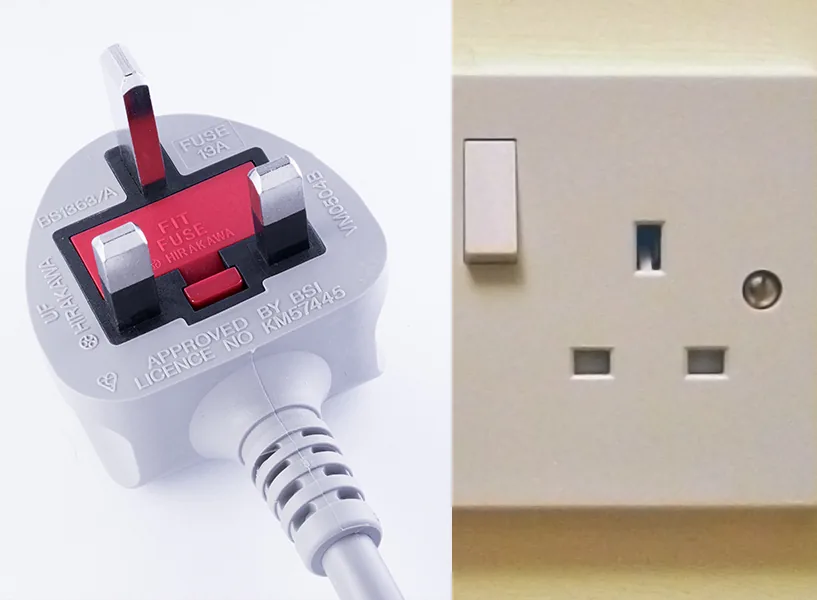
Check the charger, not only the plug
A travel adaptor changes the plug shape; it does not convert voltage or frequency. Read each appliance’s input label. A charger rated for a suitable voltage range may need only a compatible adaptor, while a single-voltage appliance can need a properly rated converter or should be left at home.
Use equipment in good condition and avoid improvised multi-plug arrangements. Ask your camp whether sockets are available in the room, in a communal charging area or only during limited power hours. Do not assume that a lodge with electricity supports a high-power appliance.
A compact packing list
| Item | Reason |
|---|---|
| Light layers plus a warmer outer layer | Temperature and wind can change between an early drive and midday |
| Comfortable closed shoes | Useful around camp and for activities where sandals are unsuitable |
| Sun protection and suitable insect repellent | Open vehicles and outdoor time create prolonged exposure |
| Regular medicines and prescription details | Replacements may not be convenient on a remote route |
| Type G adaptor and suitable chargers | Match the published supply and your appliance rating |
| Offline documents and a backup payment method | Connectivity and access to a lost phone cannot be assumed |
| Reusable water bottle | Use it with confirmed treated water and follow park plastic rules |
Sources: Electrical Safety First: travel adaptors for Kenya · CDC: Kenya travel health · KWS conservation fees: October 2025 tariff
Safari clothing without an expedition wardrobe
Comfortable clothing you can sit in for a long drive is more useful than buying an entire specialist outfit. Bring layers that can be removed as the day warms up and that fit within your luggage allowance. A light rain layer is useful when the forecast or season warrants it.
Choose footwear for your activities: a vehicle safari and a mountain hike have different needs. Ask a walking-safari or hiking guide about soles, ankle support and wet-ground conditions. Do not plan to break in brand-new boots on the longest walk.
Sources: Kenya Tourism Board: regional circuits · CDC: Kenya travel health
Small aircraft change the bag decision
Before packing, obtain the exact baggage allowance from your domestic airline, including hand luggage, camera equipment and any shape restrictions. Safari flights can use small aircraft, and the baggage terms on the international ticket do not transfer automatically.
If excess luggage will remain in Nairobi, arrange secure storage and retrieval that fits your return airport. A soft bag may be easier to fit, but the airline’s actual terms are the authority. Keep travel documents, essential medicines and fragile valuables under the applicable cabin rules.
Sources: Safarilink: scheduled Kenya flights
Photography and batteries
A camera you can operate quickly is more useful than unfamiliar heavy equipment. Pack a lens cloth, dust protection and enough storage; avoid changing lenses in blowing dust. Ask about charging before assuming you can refill every battery overnight.
Check your airline’s current lithium-battery and power-bank rules directly before travel. We have not reproduced an airline-independent capacity allowance because carriage limits and placement rules must match the actual carrier. Keep binoculars accessible instead of buried beneath luggage.
Sources: Safarilink: scheduled Kenya flights
What to leave out
KWS states that single-use plastics are prohibited in its protected areas. Check your food and toiletry packaging before the gate and carry waste out through the proper disposal system. Do not bring drones or specialist wildlife equipment on the assumption that recreational use is automatically allowed; obtain the relevant permissions before packing.
Leave valuable items that serve no purpose on the trip and avoid overloading the route with equipment for activities you have not booked. If the itinerary includes Mount Kenya, use a separate guide-approved mountain equipment list; a standard safari checklist is insufficient.
Sources: KWS conservation fees: October 2025 tariff · UK FCDO: Kenya safety and security · UNESCO: Mount Kenya National Park / Natural Forest
Questions & answers
Which plug do I need?
Type G. Electrical Safety First lists Kenya at 240 V and 50 Hz; check the input rating on your own devices.
Does an adaptor change the voltage?
No. A plug adaptor alone does not convert voltage or frequency.
Do I need specialist safari clothes?
Usually comfort, layers and appropriate footwear matter more than a specialised wardrobe. Walking and mountain activities need their own equipment checks.
Can I bring my normal large suitcase on a safari flight?
Check the exact airline weight and bag-shape rules; an international allowance does not establish permission on a small domestic aircraft.
Can I take single-use plastic into KWS parks?
KWS states that its protected areas are single-use-plastic-free zones; check packaging before entry.
Sources & verification
Checked on 21 September 2026. Prices apply only to the visitor category and dates stated. Route timings, suggested stays and budget scenarios are editorial planning estimates unless a source is specified.
- Electrical Safety First: travel adaptors for Kenya - checked 20 September 2026.
- CDC: Kenya travel health - checked 20 September 2026.
- KWS conservation fees: October 2025 tariff - checked 20 September 2026.
- Safarilink: scheduled Kenya flights - checked 20 September 2026.
- Kenya Tourism Board: regional circuits - checked 20 September 2026.
- UK FCDO: Kenya safety and security - checked 20 September 2026.
- UNESCO: Mount Kenya National Park / Natural Forest - checked 20 September 2026.
Published · Updated . Send a correction.