Take the route to the appointment
Show the clinician your overnight stops, transit countries, dates, altitude plans and time on the coast. Mention pregnancy, regular medicines, immune conditions and any planned hiking or remote stay. Ask early enough to complete recommended vaccinations and prescriptions.
CDC’s Kenya guidance separates routine vaccination, destination recommendations and entry requirements. A vaccine being recommended for an area is different from a certificate being demanded because of your arrival country or transit history.
Sources: CDC: Kenya travel health
Malaria: assess the route, not just Nairobi
CDC describes malaria risk in areas below 2,500 metres, including game parks, with a distinction for highly urbanised central Nairobi. Do not generalise a short city stay to a coastal or safari itinerary. Discuss suitable preventive medication with a qualified clinician; this guide does not choose a drug or dose for you.
Use mosquito precautions alongside any prescribed medication: effective repellent, clothing that covers exposed skin where practical, screened rooms or a suitable net, and attention around dusk and overnight. Fever during or after travel warrants prompt medical advice with your travel history disclosed.
Sources: CDC: Kenya travel health
Water, food and freshwater activities
Use reliably treated drinking water and check how ice and uncooked food are prepared. A refill system can be useful when the accommodation confirms treatment; avoid assuming that clear tap or lake water is potable.
CDC warns about infections associated with contaminated freshwater. Swimming or wading in a lake is not made safe by its appearance or by a lodge calling it clean. Ask about the specific activity and follow clinical advice on exposure. Avoid touching or feeding animals and seek prompt medical help after a bite or scratch.
Sources: CDC: Kenya travel health
Insurance and medical access
| Question | Why it matters |
|---|---|
| Does cover include the exact route and current travel-advice category? | Regional exclusions can affect a claim |
| Are safari activities, diving or mountain trekking covered? | An ordinary holiday policy may have activity or altitude limits |
| Who arranges evacuation and who authorises payment? | A remote transfer is different from routine clinic treatment |
| Are existing medical conditions declared and covered? | Undeclared conditions can change cover |
| Which hospital or clinic should I contact in Nairobi? | Your insurer can identify an appropriate provider and payment procedure |
Sources: UK FCDO: Kenya travel advice · CDC: Kenya travel health
Medicines, pharmacies and Nairobi treatment
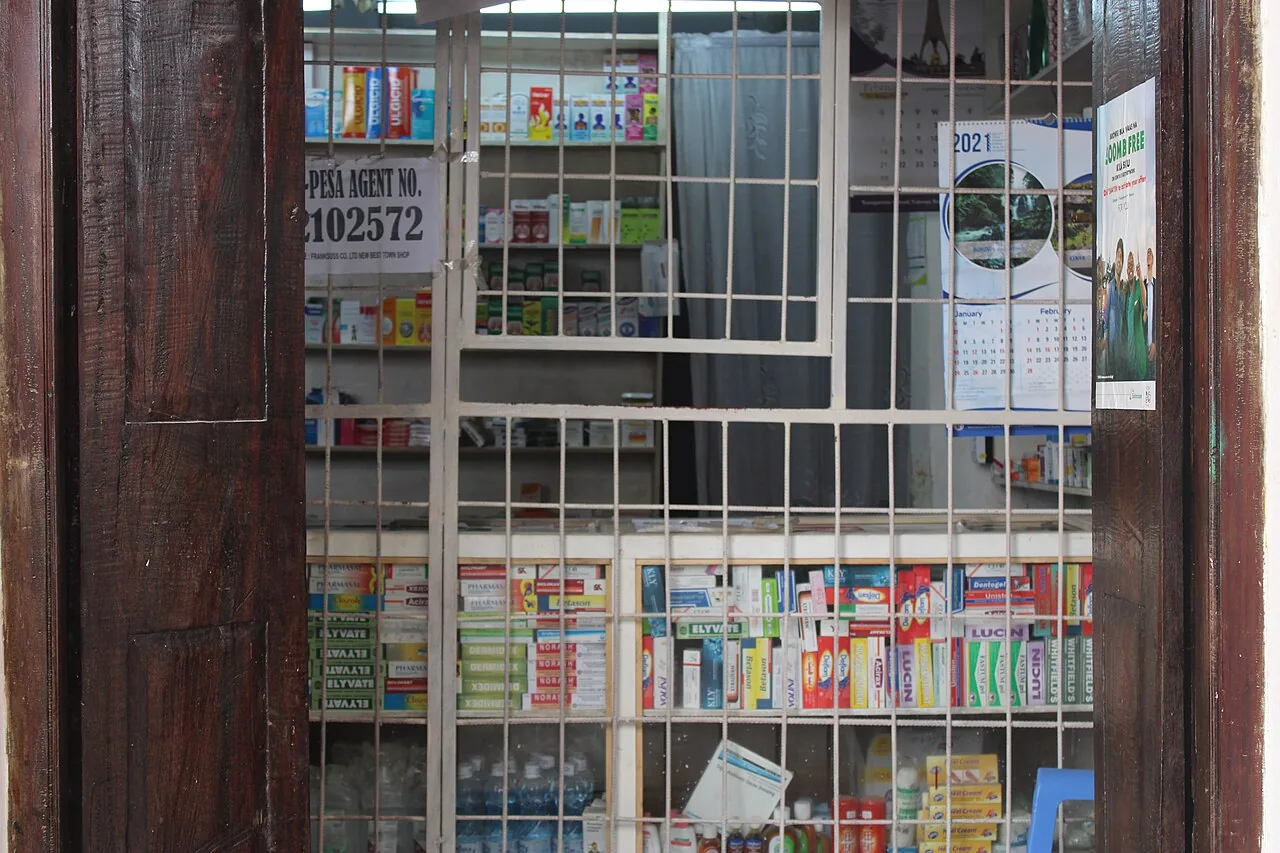
Bring an adequate supply of regular medicine in original labelled packaging, with prescription documentation and any required entry permissions checked in advance. Keep critical medicine in hand luggage under airline rules. Do not assume a remote pharmacy stocks your brand or a suitable replacement.
We have not verified a current hospital price list or a universal best hospital in Nairobi. Before departure, get an insurer-approved emergency and non-emergency pathway, including the receiving facility, telephone number and whether direct billing is available. In an urgent situation, seek local emergency assistance rather than waiting for an online recommendation.
Sources: CDC: Kenya travel health · UK FCDO: Kenya safety and security
Heat, altitude and recovery time
Allow for dehydration and sun exposure on the coast and in open vehicles. Mountain travel adds a different risk: fitness does not establish altitude tolerance. Choose an itinerary with appropriate acclimatisation and a guide who can explain the descent and evacuation plan.
Keep the first day manageable after a long flight and tell your guide early if you feel unwell. A flexible activity plan makes it easier to rest or obtain care before a problem grows.
Sources: CDC: Kenya travel health · UNESCO: Mount Kenya National Park / Natural Forest
Questions & answers
Does everyone need yellow-fever proof?
Requirements depend on travel history and current entry rules; recommendations also depend on the route. Check CDC and the official entry requirements with a clinician.
Is malaria only a coastal issue?
No. CDC’s Kenya guidance includes many lower-altitude areas and game parks; assess the full itinerary.
Can you tell me which malaria tablets to take?
A clinician should choose appropriate prevention using your history, other medicines and route.
Is lake swimming automatically safe?
No. Freshwater infection risks require a specific assessment; clear water is not evidence of safety.
Where should I get treatment in Nairobi?
Ask your insurer for an appropriate current facility and payment process before travel. We have not verified a universal recommendation or treatment prices.
Sources & verification
Checked on 21 September 2026. Prices apply only to the visitor category and dates stated. Route timings, suggested stays and budget scenarios are editorial planning estimates unless a source is specified.
- CDC: Kenya travel health - checked 20 September 2026.
- UK FCDO: Kenya travel advice - checked 20 September 2026.
- UK FCDO: Kenya safety and security - checked 20 September 2026.
- UNESCO: Mount Kenya National Park / Natural Forest - checked 20 September 2026.
Published · Updated . Send a correction.