
Match the trip to the objective
Ask for the exact highest point, overnight stops and daily altitude gains before comparing package lengths. The summit name matters: a walking itinerary and a technical climbing objective should not share a vague description. Make the operator state which skills, equipment and guide qualifications are required.
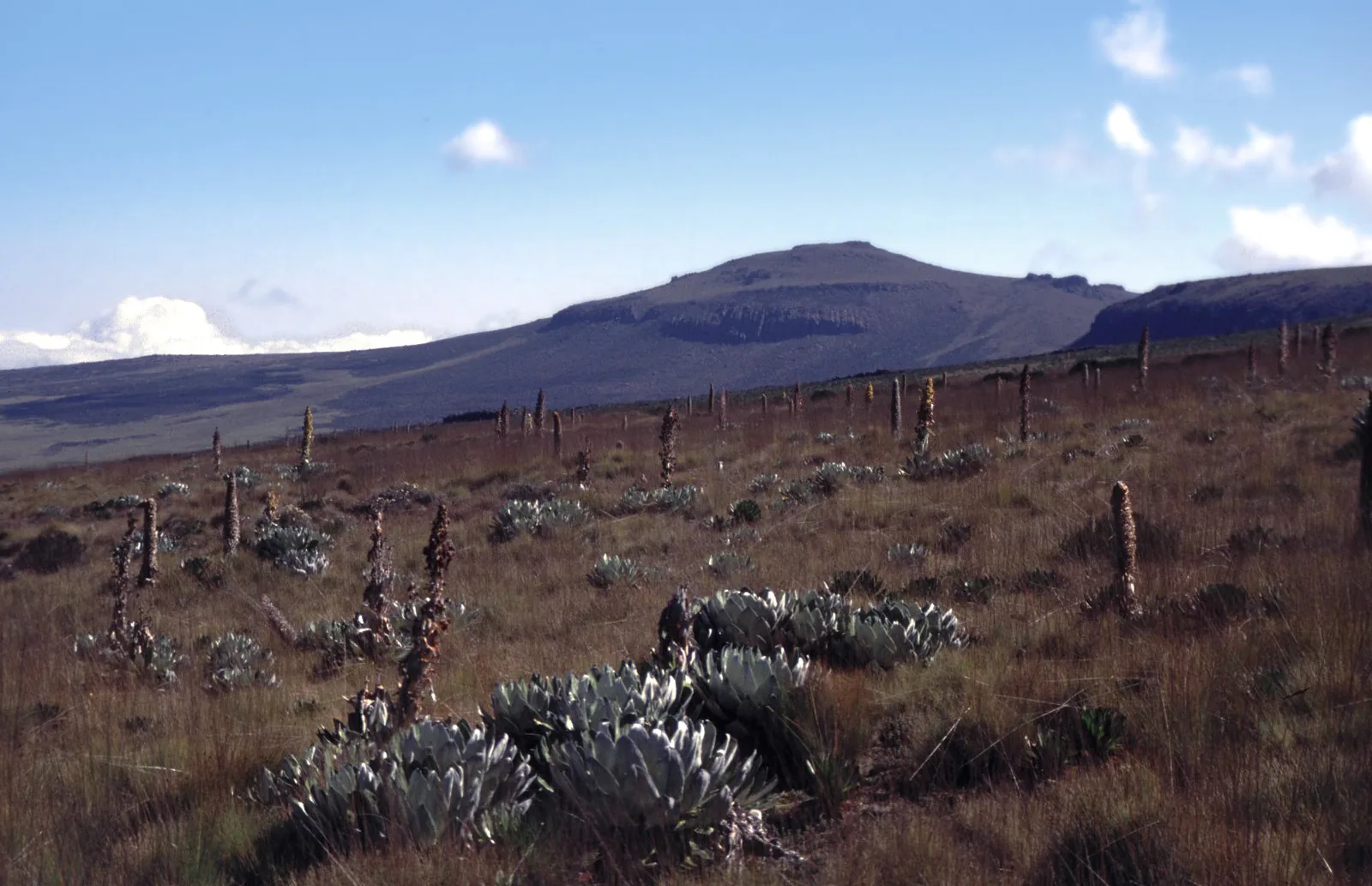
UNESCO describes the mountain’s high-elevation ecosystems and glacial landscape. That establishes why the area is distinctive, not whether a particular route is open or suitable for you this week.
Approach routes and logistics
KWS identifies the Sirimon, Naro Moru and Chogoria approaches. Confirm the starting gate, finishing gate and transport for both ends. A traverse may need a different vehicle arrangement from a return by the same route, and the condition of the final approach can matter more than the main-road distance.
KWS lists approximate Nairobi road distances of 200 km for Sirimon, 188 km for Naro Moru and 210 km for Chogoria. These are authority-provided approach figures, not a door-to-door journey promise; ask for the actual pickup and trailhead plan.
Sources: KWS: Mount Kenya National Park
What a proper quote should specify
| Cost or responsibility | Confirm before paying |
|---|---|
| Park admission | Visitor category, chargeable days and any package rules |
| Guide and support team | Who leads, porter arrangements, loads, meals and staff equipment |
| Accommodation | Exact hut or camp nights, availability and what bedding is provided |
| Technical equipment | Required items, fit, rental condition and who supplies them |
| Transport | Both trailhead transfers, including a traverse exit |
| Emergency arrangements | Communications, evacuation process and insurance requirements |
Park fees are only one part of the bill
The KWS October 2025 schedule lists Mount Kenya non-resident adult entry at USD 70 and child entry at USD 35. Do not multiply a single line into an assumed all-inclusive trekking price: overnight facilities, guides, transport and any applicable mountain package conditions need their own written breakdown.
We have not verified a current complete hut, porter and outfitter tariff. Compare quotes using the same route, nights and services rather than an unsupported low daily headline.
Altitude and changing conditions
A strong fitness level does not remove altitude risk. Review the planned sleeping elevations with a travel-health professional and choose an itinerary that allows acclimatisation. Tell the guide promptly about illness or symptoms and follow the agreed response plan; reaching a summit is optional.
Check the forecast, trail status and conditions directly with the operator and KWS shortly before departure. A general dry-season label cannot establish the state of a high mountain. Carry the layers, waterproofing and equipment specified for your actual route.
Sources: CDC: Kenya travel health · Kenya Meteorological Department
When a shorter walk is the better trip
If your holiday has little spare time, choose a lower route with an explicitly agreed turnaround rather than compressing a summit programme. Ask for the walking surface, exposure, elevation gain and access limitations, particularly if anyone has mobility concerns.
Protect a buffer after the mountain before an international flight. Wet equipment, a delayed descent or a revised exit transfer can complicate a tightly chained itinerary. Combine the region with nearby stays only after the trek’s logistics are secure.
Check the support arrangements for the whole party
Ask how the team will respond if one person needs to turn back while others continue. Confirm who accompanies that person, how communication works and whether the transport plan changes. The answer should be specific to the booked route and group, not a generic assurance that help is available.
Discuss porter loads, staff equipment and meals as well as your own comfort. A transparent operator can explain responsibilities and inclusion without making the summit a measure of success. Keep the written route and emergency contacts accessible to someone at home.
Questions & answers
Can I choose only by the number of days?
No. Compare the objective, sleeping elevations, daily gains and support as well as the duration.
Does park entry cover the whole trek?
No. Guides, accommodation, equipment, transport and any applicable additional charges need confirmation.
Is a summit guaranteed in the dry season?
No. Mountain conditions, health and the guide’s safety decisions can change the objective.
Which Mount Kenya approach should I choose?
Compare the exact route objective, overnight profile, start and finish gates, and transport. The best approach depends on the programme, not only the shortest road distance.
Sources & verification
Checked on 21 September 2026. Prices apply only to the visitor category and dates stated. Route timings, suggested stays and budget scenarios are editorial planning estimates unless a source is specified.
- KWS: Mount Kenya National Park - checked 20 September 2026.
- UNESCO: Mount Kenya National Park / Natural Forest - checked 20 September 2026.
- KWS conservation fees: October 2025 tariff - checked 20 September 2026.
- CDC: Kenya travel health - checked 20 September 2026.
- Kenya Meteorological Department - checked 20 September 2026.
Published · Updated . Send a correction.